Retirement Fears in New Zealand: What People Worry About
You are reading an independently ranked global top-50 investing and finance blog. Become Wealth is independently owned, trusted to advise on over $1 billion, and one of only 49 New Zealand firms licensed to manage client portfolios directly.
Most people approaching retirement carry a quiet set of worries. Some are financial. Many are not. The fear of running out of money gets the attention because it is easy to put a number against, but the harder fears are often the ones without a spreadsheet solution: losing the shape of a working week, watching your health change, renegotiating how you spend time with your partner after decades of different routines.
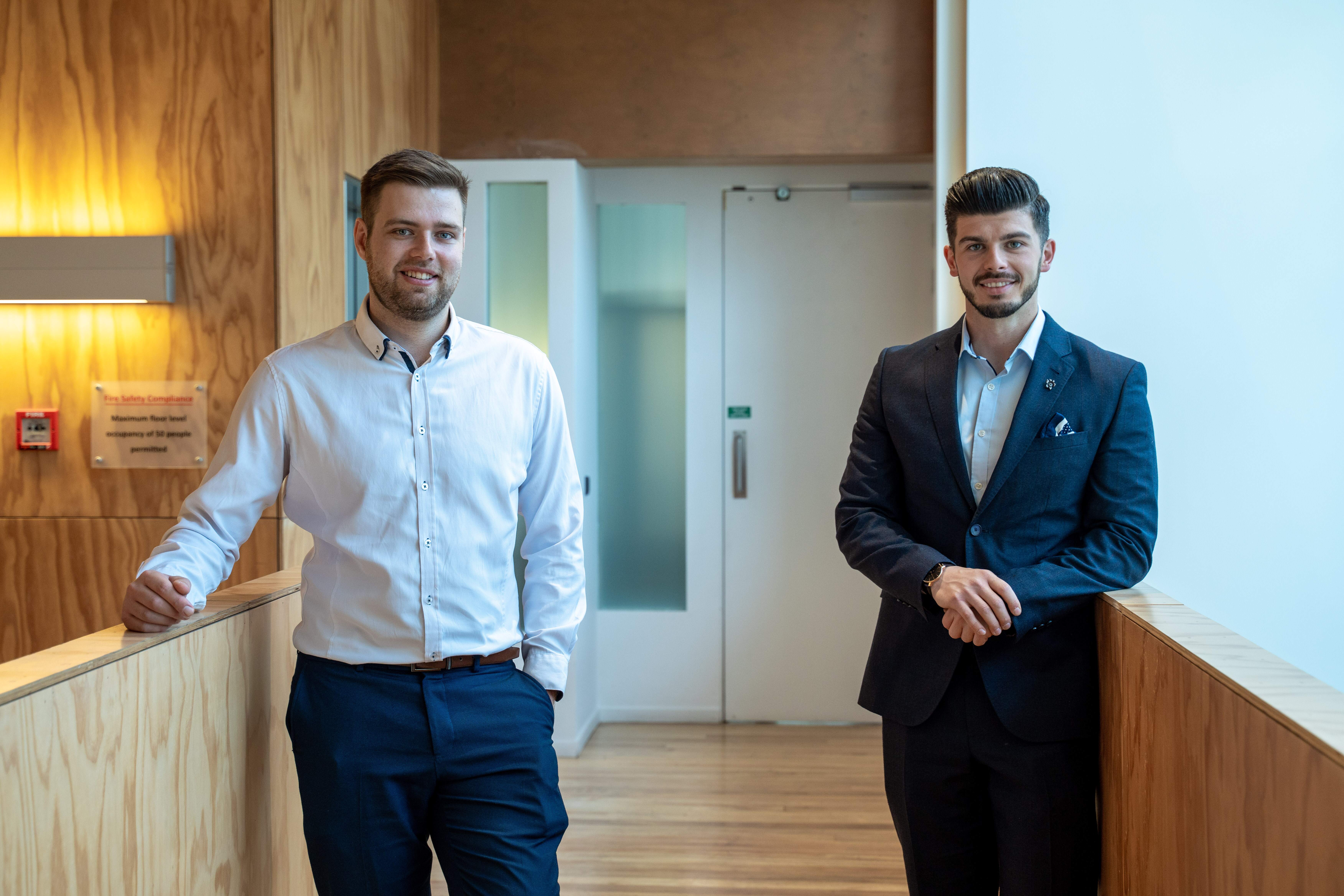
These fears are common and normal. They are also rarely as bad as imagined once they are out in the open. Jonny McNamee, one of the financial advisers at Become Wealth, puts it this way:
"The clients who move into retirement well are the ones who've thought about how they want to spend the time, not just the money. The financial plan matters, but it's the life plan that usually decides whether they enjoy it."
What follows groups the most common fears into three areas: money, purpose and boredom, and health and family. None of them have a single answer. All of them become easier to carry once you have looked at them honestly.
Money worries
The dominant retirement fear in almost every survey is running out of money. Images of scrimping, constant budgeting, or becoming financially dependent in later life weigh on people long before they stop working. It is worth taking seriously, but it is also the fear most likely to shrink under proper examination.
New Zealanders have a universal state pension available from age 65, and in most cases a KiwiSaver Scheme balance built over a working life. For many households, the gap between those two income sources and a comfortable lifestyle is smaller than they expect, particularly if the home is mortgage-free. For others the gap is wide enough to be worth quantifying. Quantifying it starts with how much you need to retire in New Zealand.
A quieter money worry sits alongside the headline one: the psychological shift from earning to spending. After decades of saving, spending down those savings can feel uncomfortable, even reckless, even when the plan says it is fine. Retirees sometimes describe feeling like they are doing something wrong every time they make a withdrawal. A structured income plan helps, because it replaces the rhythm of a salary and removes the emotional weight from individual spending decisions. Giving yourself explicit permission to enjoy the money you worked for is part of the transition.
In our experience, the households who feel most settled financially are rarely the wealthiest. They are the ones who have run the numbers, tested a few scenarios, and built a plan they trust. Once the numbers are on the table, the fear has somewhere to go.
Purpose and boredom
The second cluster of fears is about time, identity, and belonging. Work provides structure, social contact, status, and a ready answer to the question "what do you do?" When it ends, all four can disappear at once. The Monday morning that used to be frantic becomes empty. The colleagues who filled the week step out of daily life. The introduction that used to land with a job title now lands with a pause.
Retirement planning literature often uses the framing of Go-Go, Slow-Go, and No-Go years. The early years, roughly 65 to 75 for most people, are typically the most active. Health and energy support travel, new projects, vigorous social engagement, and the reinvention of how you spend your time. The middle years bring a natural slowing. The later years may involve greater dependence on support. The fears in this section belong overwhelmingly to the Go-Go phase, because those are the years where boredom and loss of purpose bite hardest.
The practical answers are familiar but genuinely effective: phased retirement rather than a hard stop, part-time consulting, mentoring work, volunteering, formal study, deeper investment in hobbies you previously neglected. Stats NZ data shows workforce participation among the 65-plus age group has climbed over the past decade, suggesting more New Zealanders are already choosing a gradual transition over a cliff-edge one. Phased retirement deserves particular attention because it keeps income flowing, preserves professional connections, and gives you time to build a post-work identity rather than having to invent one overnight.
Loneliness is the related fear, and it is more consequential than boredom. The workplace provides daily social contact most people underestimate until it disappears. Left unaddressed, isolation in older adults is linked to measurable declines in physical and cognitive health, as summarised by the World Health Organisation. The practical responses are unglamorous but effective: regular commitments (a weekly class, a standing coffee date, a volunteer role), community group membership, and friendships maintained deliberately outside your former workplace. For couples, the transition also means adjusting to significantly more shared time, which can strengthen a long relationship or strain it depending on how openly the expectations are discussed in advance.
Health and family
The third cluster is where practical and emotional concerns meet. Declining health is a common fear, and often framed as a fear of losing independence. Becoming a burden on family, needing help with daily tasks, or reaching a point where others make decisions on your behalf can weigh heavily, particularly for people who have spent a lifetime being the capable one.
Most of the practical response here sits in the lifestyle column, not the financial one. Preventative healthcare, regular exercise, sleep, and a balanced diet do more for later-life independence than any single financial product. Many councils and community organisations run fitness programmes designed for older adults, which help with both physical health and social connection. Booking proper annual checkups earlier rather than later is one of the cheapest investments in a long, active retirement.
Downsizing the home is the other significant transition in this cluster. For some it is welcome, a chance to simplify and free up capital. For others it is the loss of a place thick with memory, and the physical process of sorting through decades of accumulated belongings is genuinely exhausting. Starting earlier rather than later helps. Framing the move around future needs (single-level living, proximity to family or healthcare, a community that feels right) rather than around what is being left behind makes the decision easier to live with. The financial side of downsizing is usually secondary to the emotional one.
Family dynamics change in retirement in ways that catch people off guard. Couples who have spent decades operating on different schedules suddenly share every hour. Adult children, facing their own financial pressures, may lean on parents for support, sometimes moving back home. Grandchildren arrive or grow up. These shifts reshape what retirement looks like day to day, and they work best when expectations are discussed openly rather than assumed.
Supporting adult children financially is the place where the family and money fears meet. The instinct to help is natural. The risk is that open-ended support slowly erodes the savings you need for your own later decades. Helping adult children is admirable when it comes from surplus and risky when it comes from security. Defined, time-limited contributions are easier to manage than ongoing subsidies without an end date.
Frequently asked questions: retirement fears
What is the most common retirement fear in New Zealand?
Running out of money consistently ranks first in NZ and international surveys. It tends to shrink once people have a concrete number for their projected retirement income and expenses, rather than an unquantified sense of unease.
Is it normal to feel anxious or low in the first year of retirement?
Yes. The loss of workplace structure, identity, and social contact is a transition, and it commonly takes six to twelve months to settle into a new rhythm. Building purpose and social connection deliberately rather than waiting for them to appear makes a significant difference.
Should I retire gradually rather than all at once?
For many people, yes. Phased retirement preserves income, keeps professional connections alive, and allows you to build a post-work life while still partly in the old one. It is not available in every role, but it is worth asking about.
Working through retirement fears
Each of these fears becomes more manageable once it is named and examined. The money fears respond well to a concrete plan. The purpose fears respond to deliberate choices about how to spend the early retirement years. The health and family fears respond to preparation, honest conversations, and an acceptance that the life ahead will look different from the life behind.
If the money piece is the one weighing on you, our retirement planning process is designed to give you a clear picture of what your resources can support. If it is the broader shape of retirement you want to think through, we are happy to have that conversation too.

This article is general information which is not intended to provide financial advice of any kind. It does not take your circumstances into account. Nothing in this article constitutes a recommendation to buy, sell, or hold a financial product or other asset. For more information refer to our website terms and conditions, and financial advice provider disclosure.
Make better financial decisions
Fortnightly insights on investing, personal finances, retirement, KiwiSaver, tax, and property, so you can build and keep real wealth.